
Today I’m working on a talk for a conference organised by the Royal Economic Society, Royal Statistical Society and Institute for Fiscal Studies on the agenda for modernising economic statistics. The day’s programme covers a wide range of questions including regional statistics and measuring the digital. My contribution will be about ‘beyond GDP’. I was just reflecting that in the two years since my book, GDP: A Brief But Affectionate History was first published there have been enough other books on this issue to declare it a new genre.
Precursors were in 2009:
[amazon_link id=”B00E32LW1C” target=”_blank” ]Mismeasuring Our Lives[/amazon_link] by Sen, Stiglitz, Fitoussi (the report of the Commission set up by former President Sarkozy)
[amazon_image id=”B00E32LW1C” link=”true” target=”_blank” size=”medium” ]Mismeasuring Our Lives: Why GDP Doesn’t Add Up by Stiglitz, Joseph E., Sen, Amartya, Fitoussi, Jean-Paul published by New Press, The (2010)[/amazon_image]
and in 2013:
[amazon_link id=”019976719X” target=”_blank” ]Beyond GDP: Measuring Welfare and Assessing Sustainability [/amazon_link]by Marc Fleurbaey and Didier Blanchet
[amazon_image id=”019976719X” link=”true” target=”_blank” size=”medium” ]Beyond GDP: Measuring Welfare and Assessing Sustainability[/amazon_image]
Then:
[amazon_link id=”0691169853″ target=”_blank” ]GDP: A Brief But Affectionate History[/amazon_link] by Diane Coyle
[amazon_image id=”0691156794″ link=”true” target=”_blank” size=”medium” ]GDP: A Brief but Affectionate History[/amazon_image]
[amazon_link id=”1780322720″ target=”_blank” ]Gross Domestic Problem[/amazon_link] by Lorenzo Fioramonti
[amazon_image id=”1780322720″ link=”true” target=”_blank” size=”medium” ]Gross Domestic Problem: The Politics Behind the World’s Most Powerful Number (Economic Controversies)[/amazon_image]
[amazon_link id=”0801451639″ target=”_blank” ]Poor Numbers[/amazon_link] by Morten Jerven
[amazon_image id=”0801451639″ link=”true” target=”_blank” size=”medium” ]Poor Numbers: How We are Misled by African Development Statistics and What to Do About it (Cornell Studies in Political Economy)[/amazon_image]
Later:
[amazon_link id=”B015X37CI6″ target=”_blank” ]The Little Big Number[/amazon_link] by Dirk Philipsen
And new/forthcoming:
[amazon_link id=”1681771373″ target=”_blank” ]The Great Invention[/amazon_link] by Ehsan Masood
[amazon_image id=”1681771373″ link=”true” target=”_blank” size=”medium” ]The Great Invention: The Story of GDP and the Making (and Unmaking) of the Modern World[/amazon_image]
[amazon_link id=”B01EB74DFU” target=”_blank” ]The Power of A Single Number[/amazon_link] by Philipp Lepenies.
[amazon_image id=”0231175108″ link=”true” target=”_blank” size=”medium” ]The Power of a Single Number: A Political History of GDP[/amazon_image]
When this kind of thing happens, there is certainly change afoot.

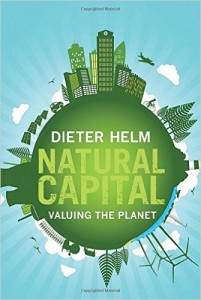 It’s a very accessible and clear explanation of why it’s important to value natural capital and how to go about it. As Dieter explains, there’s no doubt that economic growth has for some time been unsustainable. To be clear, that means that future generations (which could include our older selves) will have lower living standards because we have depleted by so much the capital stock providing economic services. (I would add infrastructure too, as part of the sustainability challenge, and there are similar issues as looking at renewable natural capital.)